How to Create a Calm and Comfortable Space for Your Pet
Pets, like people, benefit from having a space of their own where they can settle without interruption. A calm area is not simply a bed in a corner; it is the result of several smaller decisions working together, from where the space sits in your home to how consistently the household respects it. This guide looks at the practical elements that make a genuine difference for dogs and cats alike, and how to introduce a calm space so your pet actually chooses to use it.
At a glance
- Location matters more than furnishing; a quiet, low-traffic spot is the foundation of a calm area.
- Consistent bedding and a predictable routine help a pet recognise the space as their own.
- Temperature, draughts and lighting all affect how restful a space actually feels.
- Household noise and unpredictable interruptions are common reasons a calm space goes unused.
- Boundaries work best when the whole household, including guests and children, understands and respects them.
Choosing the right location
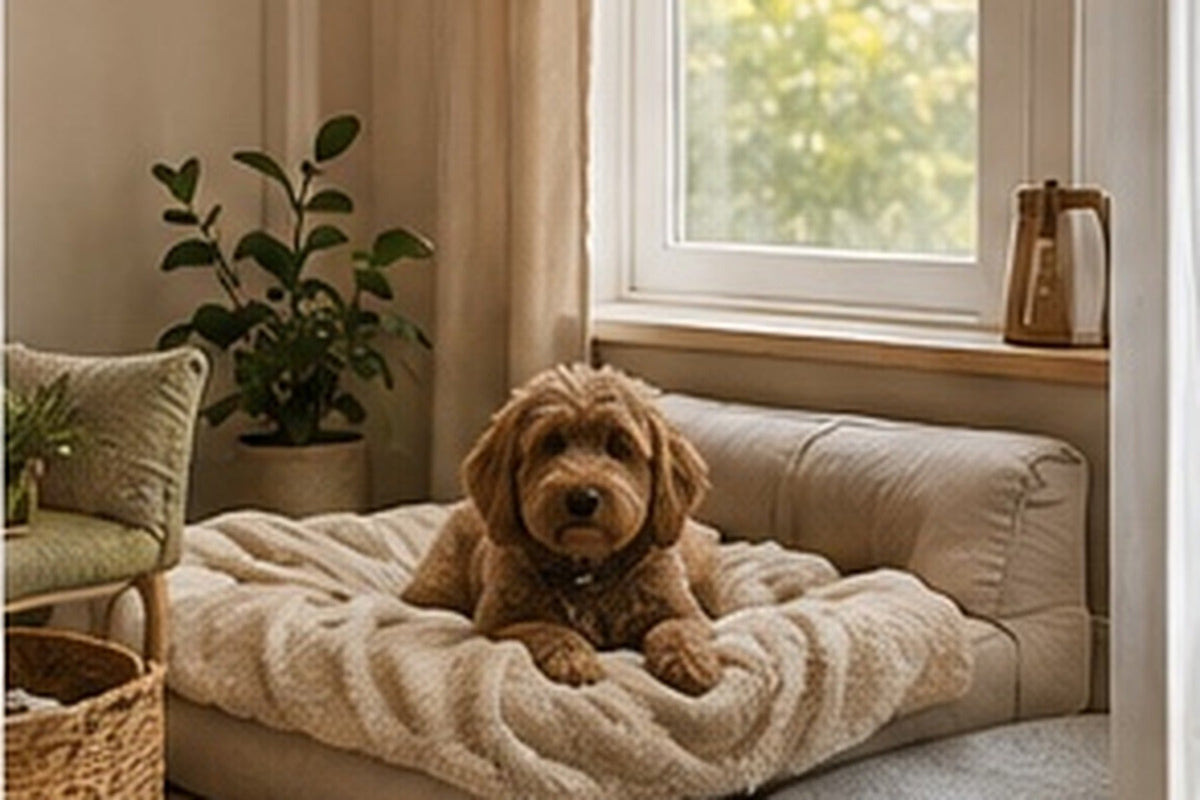
The single most influential decision is where the space is positioned. A calm area does not need to be isolated, but it should be away from the main flow of foot traffic, doorways, and areas prone to sudden noise, such as directly beside a front door or a television. Many pets prefer a space that offers a partial view of the household, such as a corner of a living room or a quiet section of a hallway, rather than being shut away entirely, since this allows them to feel part of the family while still having somewhere to retreat. For cats in particular, some height or a partially enclosed shape often increases a sense of security.
Bedding, routine and familiarity
Once a location is chosen, consistency does more work than any single product. Keeping the same bedding in the same place, rather than moving it around the home, helps a pet build a reliable association between that spot and rest. Introducing a calm space gradually, by encouraging your pet there at naturally quiet times of day, such as after a walk or a meal, tends to work better than expecting immediate use. A familiar blanket or an item that already carries your pet's scent can also help the space feel established more quickly.
For multi-pet households
Where more than one pet shares a home, each animal generally benefits from having their own recognised space, even if they also share common areas. This reduces the likelihood of one pet feeling they need to compete for access to rest, which can otherwise contribute to low-level stress in some households.
Temperature, draughts and lighting
A technically quiet spot can still feel uncomfortable if it is too warm, too cold, or exposed to a draught. Positioning a calm space away from direct heating vents, air conditioning outlets, and ground-level draughts near external doors makes a noticeable difference to comfort. Natural light is generally appreciated, but a space that receives strong, direct afternoon sun for extended periods can become too warm, particularly in summer. Soft, indirect lighting in the evening, rather than bright overhead light, supports a more settled atmosphere as the household winds down.
Managing noise and interruptions
Unpredictable noise is one of the more overlooked reasons a calm space is underused. Household appliances that start unexpectedly, frequent doorbell activity, or a space positioned near a shared wall with variable noise can all undermine an otherwise well-chosen spot. Where noise cannot be avoided entirely, positioning the space with some distance or a solid barrier between it and the noise source helps considerably.
Setting household boundaries
A calm space only remains calm if the household treats it consistently as a place not to be disturbed unnecessarily. This is particularly relevant with children and visitors, who may not automatically understand that a pet resting in their space should generally be left alone. Establishing a simple, consistently applied household rule, such as not approaching a pet in their bed uninvited, helps reinforce that the space is genuinely safe and predictable.
Common mistakes to avoid
- Positioning the space in a high-traffic area, such as directly beside a main doorway.
- Frequently moving bedding to a different location, which undermines familiarity.
- Expecting immediate use rather than allowing gradual, positive association.
- Placing the space near unpredictable noise sources, such as appliances or shared walls.
- Allowing children or visitors to regularly disturb a pet while they are resting in their space.
Conclusion
A genuinely calm space is built from a combination of location, consistency, comfort and household respect, rather than any single product. Small, considered decisions, such as where a bed sits in a room or how consistently a pet is left undisturbed, tend to matter more than the bedding itself. If your pet shows ongoing signs of restlessness, hiding, or difficulty settling despite a well-considered space, it is worth discussing this with your veterinarian or a qualified animal behaviour professional, as this can sometimes indicate an underlying stress or health concern.
Frequently asked questions
Do cats and dogs need different types of calm spaces?
The underlying principles are similar, though cats often prefer some height or partial enclosure, while dogs more commonly settle well in an open, ground-level spot with a partial view of the room.
How long does it take a pet to start using a new calm space?
This varies considerably between individual animals; some settle within days, while others take several weeks of gradual, positive association before using the space consistently.
Is it a problem if my pet still chooses to rest elsewhere sometimes?
Not necessarily. Many pets have more than one preferred resting spot, and this is generally normal rather than a sign the calm space has failed.
Should a calm space be completely separate from the rest of the household?
Not usually. Most pets do better with some visual or auditory connection to the household rather than complete isolation, provided the space itself remains quiet and low-traffic.
What if my pet seems unsettled no matter where their space is located?
Persistent restlessness across different locations is worth discussing with a veterinarian or qualified animal behaviourist, as it may relate to factors beyond the physical environment.